This article contains affiliate links. If you buy through them we may earn a commission at no extra cost to you.
By Editorial Team · Updated 2026-07-10 · 12 min read

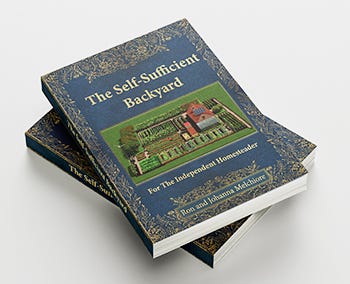
If you want to grow your own food, raise chickens, and reduce reliance on grocery stores without leaving your home, The Self Sufficient Backyard is a detailed guide that walks you through each step. It promises to help you turn an ordinary yard into a productive homestead, and for many readers, it delivers exactly that.
This complete guide explains what the program actually covers, how it works for beginners and experienced gardeners alike, and whether it's worth your time and money. We've read through the material, analyzed user experiences, and compared it to similar resources so you can decide with confidence.
Key Takeaways
- The Self Sufficient Backyard is a downloadable guide focused on practical, low-cost homesteading projects like gardening, water collection, and small livestock.
- It's designed for suburban and small-property owners, not just off-grid preppers living on acres of land.
- The program includes detailed diagrams and step-by-step plans but does not replace hands-on instruction for complex builds.
In this guide:
What Is The Self Sufficient Backyard?
The Self Sufficient Backyard is a digital guide created by homesteading experts that teaches you how to transform a typical residential yard into a self-sustaining ecosystem. It covers everything from soil preparation and raised-bed gardening to rainwater harvesting, chicken coops, and composting systems.
The material is organized into project-based modules. Each module includes a parts list, estimated cost, difficulty level, and illustrated step-by-step instructions. The emphasis is on using reclaimed materials and low-cost solutions to keep your investment minimal.
Unlike many homesteading books that assume you own acreage, this guide focuses on properties of a quarter-acre or less. That makes it particularly relevant for suburban homeowners and renters with a decent backyard.
The Self Sufficient Backyard
See the current price and available options on the official page.
Browse the Guide →How It Works Step by Step
Related Reading: IP-TV Provider: Complete Guide to Choosing a Reliable Service
The guide is structured in a logical progression, but you don't have to follow it linearly. Here's the core workflow most users follow:
- Assess your space. The guide includes a worksheet for mapping your yard, measuring sunlight exposure, and identifying soil type. This helps you choose projects that fit your specific conditions.
- Start with soil and water. The first projects focus on building healthy soil through composting and installing a simple rainwater collection system. These two elements form the foundation for everything else.
- Build raised beds or container gardens. Detailed plans show how to construct beds from untreated lumber, cinder blocks, or repurposed pallets. Spacing and crop rotation charts are included.
- Add small livestock (optional). For those with space and local regulations that allow it, the guide covers chicken coops, rabbit hutches, and even quail setups. Plans include ventilation requirements, predator-proofing, and daily care schedules.
- Implement food preservation. Canning, dehydrating, and root cellar storage methods are explained with safety guidelines. This step ensures you can store your harvest through winter.
- Expand with advanced systems. Later chapters cover aquaponics, greenhouse construction, and solar dehydration — but these are marked as intermediate to advanced projects.
Each project includes a materials list with approximate costs, so you can budget before starting. Many users report completing the basic garden setup in a single weekend for under $150.
Key Benefits With Real Scenarios
Reduced grocery costs. A couple who followed the guide's tiered planting method reported harvesting vegetables from May through October on a 30-by-40-foot plot. They estimated saving roughly $60 per month during peak growing season on produce alone.
Water independence. The rainwater collection plans use inexpensive food-grade barrels and basic PVC fittings. One suburban user in the Pacific Northwest captured enough water from a 400-square-foot roof section to irrigate their garden for three months without turning on a hose.
Beginner-friendly chicken keeping. The coop design requires only basic tools (circular saw, drill, hammer) and fits in a 6-by-8-foot footprint. Multiple reviewers noted that the ventilation and predator-proofing details helped them avoid common first-year mistakes like ammonia buildup or raccoon attacks.
Composting without odor. The guide's hot-composting method includes a carbon-to-nitrogen ratio calculator and a turning schedule. Users who followed it said they produced usable compost in 8 to 12 weeks with no smell complaints from neighbors.
Honest Limitations
Related Reading: iptv Abonnement in Practice - Real Experience After Extended Use
Digital-only format. The guide is a downloadable PDF. There's no printed book option, which some users find inconvenient for outdoor reference. You'll need to print pages or use a tablet in the garden.
No video support. While the diagrams are clear, some users prefer video demonstrations for carpentry projects like building coops or installing rainwater systems. The guide relies entirely on static illustrations.
Advanced projects are sparse. Aquaponics and greenhouse construction are covered in a single chapter each. If you're looking for deep technical detail on those topics, you'll likely need a separate resource.
Regional growing advice is general. The guide provides charts for USDA hardiness zones 3–10, but doesn't offer location-specific planting calendars. Gardeners in the deep South or high desert may need to supplement with local extension office data.
| Aspect | Pros | Cons |
|---|---|---|
| Clarity of plans | Diagrams are labeled and easy to follow | No video walkthroughs for complex builds |
| Cost of projects | Emphasizes cheap or reclaimed materials | Some tools required (circular saw, drill) |
| Breadth of topics | Covers gardening, water, composting, livestock | Advanced systems only briefly covered |
| Format convenience | Instant download, works on any device | No printed edition available |
Comparison Table vs Alternatives
Several resources compete with The Self Sufficient Backyard. Here's how they stack up for the typical suburban homesteader.
| Feature | The Self Sufficient Backyard | Backyard Homestead (Carleen Madigan) | YouTube Homesteading Channels |
|---|---|---|---|
| Format | Digital PDF (200+ pages) | Physical book (368 pages) | Free video (ad-supported) |
| Project difficulty | Beginner to intermediate | Beginner to intermediate | Varies (inconsistent quality) |
| Suburban focus | Yes (quarter-acre emphasis) | Mixed (assumes more land) | Depends on channel |
| Cost | One-time purchase (~$37) | ~$20 (paperback) | Free (time investment) |
| Water & livestock plans | Detailed with diagrams | Covered but less depth | Good but requires searching |
The Self Sufficient Backyard strikes a solid balance for suburban dwellers. The physical book from Madigan is excellent but assumes larger plots. Free YouTube content works if you have time to vet creators and compile information from multiple sources.
Who It's For
Related Reading: iptv Abonnement: Complete Guide to How It Works & What to Know
This guide is best for:
- Homeowners with a backyard of any size who want to start growing food this season.
- Renters with landlord permission to set up raised beds and rain barrels.
- Beginners who prefer structured, printable plans over hunting through blog archives.
- Families looking to reduce food costs without a major financial investment.
It's less suitable for:
- Experienced homesteaders who already have established systems and need advanced aquaponics or greenhouse engineering.
- Apartment dwellers with only a balcony (though some container gardening tips apply).
- People who learn best from video instruction and dislike reading diagrams.
How to Get Started
If you decide The Self Sufficient Backyard is right for you, here's a simple seven-step plan to begin:
- Download the guide from the official website. It's delivered as a PDF, so make sure you have a PDF reader on your device.
- Print the yard assessment worksheet — it's the first chapter. Spend an afternoon measuring your space and noting sun patterns.
- Choose one starter project. The guide recommends starting with a 4-by-8-foot raised bed and a single rain barrel. Don't try to build everything at once.
- Gather materials. Use the included shopping list. Most items are available at a local hardware store or home center. Reclaimed wood and used barrels can cut costs by half.
- Build and plant. Follow the illustrated steps. The guide includes a simple crop rotation plan for your first season.
- Add a second project after 4–6 weeks. Once your garden is established, consider the compost bin or chicken coop if regulations allow.
- Review the preservation section before harvest time so you're ready to store your produce properly.

Many users have found that the The Self Sufficient Backyard guide provides enough structure to get started without feeling overwhelmed. The key is to treat it as a project manual, not a textbook — pick one project, finish it, then move on.
Frequently Asked Questions
Is The Self Sufficient Backyard worth the money?
For most suburban homeowners, yes. The one-time cost is roughly the same as a single trip to a garden center. If you follow even two projects (like a raised bed and a rain barrel), the savings on produce and water typically pay for the guide within one season. Users who want video instruction or have very limited outdoor space may find better value elsewhere.
Can I get The Self Sufficient Backyard as a physical book?
No. The program is currently only available as a digital PDF download. There is no printed or hardcover version. You can print pages yourself at home or at a copy shop if you prefer paper reference while working outdoors.
Does The Self Sufficient Backyard work for small yards only?
The guide is designed for lots under a quarter-acre, but the principles scale up. If you have a larger property, you can multiply the raised bed dimensions or add additional rain barrels. The livestock plans are sized for small flocks (3–6 chickens) and can be expanded.
What tools do I need for the projects?
Most projects require basic tools: a tape measure, hammer, circular saw or handsaw, drill with basic bits, shovel, and garden rake. A few projects (like the greenhouse) need a level, stapler, and utility knife. No power tools beyond a drill and saw are required.
Is The Self Sufficient Backyard good for complete beginners?
Yes. The first third of the guide assumes zero prior knowledge. It explains soil pH, seed starting, and basic carpentry safety. The projects are labeled by difficulty, and the beginner-friendly ones (raised beds, compost bin) require no previous building experience.
Does it include info on canning and food preservation?
Yes. There's a dedicated chapter on food preservation covering water-bath canning, pressure canning, dehydrating, and root cellar storage. Safety guidelines for acidity levels and processing times are included. However, it's not a full replacement for a dedicated canning guide like the USDA Complete Guide to Home Canning.
How long does it take to build the chicken coop?
Most users with moderate DIY experience report completing the coop in 6–8 hours over a weekend. The design uses pre-cut lumber and requires about 40 square feet of space. If you're new to power tools, budget 10–12 hours. The guide includes a materials list that you can take to a lumber yard for pre-cutting.
Where can I buy The Self Sufficient Backyard?
The official source is through the publisher's website. It's not sold on Amazon or in retail stores. Instant digital download is provided after purchase. We recommend buying directly from the official page to ensure you receive all bonus materials and future updates.
The Verdict
The Self Sufficient Backyard is a practical, well-organized guide for suburban homeowners who want to start producing their own food and water. If you're a beginner with a modest yard and a willingness to build things yourself, it's one of the most cost-effective resources available today.
Claim Your Self Sufficient Backyard →This link goes to the seller's official page. If you buy through it we may earn a commission at no additional cost to you. Our assessment is written independently.
Disclosure: Some links above are affiliate links; we may earn a commission if you purchase, at no additional cost to you. This does not affect our editorial assessment, which is based on publicly available product information.